
When we interview or meet people who are looking for a job or a new career opportunity, we are often asked by job seekers if they should send a “Thank You” note following a job interview. The answer is always yes, definitely! Sending a thank you note will put your application ahead of the pack immediately. Also, it is nice for a hiring manager to know that you appreciate their time and consideration for a job. Here are a few other reasons to send a thank you email or card: A thank note will confirm your interest in the position that you have just interviewed for. Writing a thank you note will show the hiring manager that you are organized, as well as a great communicator. If the hiring decision is equally divided between two candidates, a thank you note may tip the scales so that the person sending a thank you note is the person given a job offer. Tip: A thank you card can either be handwritten or emailed. A thank you card or email should be sent after an in-person interview, Facetime or Skype interview, or anytime you’ve spent some quality time with HR or the hiring …
Highly Effective Career Strategies for Success
To be at the top of your game at work, advance in your jobs, get promotions and land all the dream opportunities – it is a never-ending pursuit! In this world of excess, we want more – we are seeking recognition, promotions and advancement opportunities at work and in our careers. In order for things to fall into place, here are several habits (effective strategies) to incorporate into your everyday life for you accomplish success easily. We wanted to compile a list of effective career strategies with the end goal being SUCCESS! Read and stay informed of activities happening in your industry. Keep learning and be inspired. Be fit and healthy. Exercise is important for stress management and mental strength. Exercise 4 – 5 times per week. Be organized. Create goals on a daily and weekly basis; write lists. Get up early – some people think that breakfast is the best meal of the day, or alternately giving yourself time to reflect and organize for the day ahead is excellent. Have balance in your life. Down time is equally important! Remember to plan time for friends, family and extra-curricular activities. For some people 10 minutes of meditation a day allows …
Informational Interviews – Here is What They Are and What They Can Do For You
As a person looking for a job or doing research to find out more about a new career, informational interviews are great places to start learning. According to Wikipedia, an informational interview is a meeting in which potential job seekers seek advice on their career, the industry, and the corporate culture of a potential future work place. An informational interview is not a job interview; it is a meeting where a job seeker is given the opportunity to learn about a specific job from a person who is working in that field. It is an excellent source of information about an occupation and career opportunities. The benefits of an informational interview include job seekers: gain information about an industry or a specialized field find out about jobs and career paths are given tips about a job, how and when to apply and even the name of best person to speak with learn about the culture and information of a specific company can ask questions for feedback about skills and education that are beneficial A great benefit of an informational interview is that they are not job interviews, so they are less stressful. An employee can casually discuss the daily activities …
Gen Z – Are You Hiring Them? This is What You Should Consider
Move over Millennials, make way for Generation Z! Gen Z – Who are they? They are the generation born after 1995 and they are entering the workforce now. By the end of 2020, Stats Canada estimates that Gen Z will account for 20% of the workforce. Wikipedia defines Generation Z as the demographic cohort succeeding the Millennials (GenY). Demographers use the mid-1990s as birth years to current 1996 to 2015. They are the children of Gen X, and Millennials. This up and coming generation are sometimes call the Digital Natives as they were born with technology and are extremely tech savvy. Generation Z employees are hardworking and loyal. If you want to attract and hire this generation of employees here are a few things to consider: They like technology and video. They know and appreciate online presence. They spend their time on YouTube, Snapchat, and Instagram; they effectively engage with social media. They know cloud computing. They care about culture, honesty, and diversity. For example, they are inclusive with all groups. It is all they know as normal. They are comfortable with diversity – it’s what they experience daily. A few key examples are gender neutral bathrooms, LGBTQ+, and equal …
Planning for 2020 – What are your Career Goals?
Welcome to 2020 – this will be the best year ever! If you are like me, this the time to reflect on yourself – I like to think about my career, family and life in general. It’s a great time to review things and make goals to improve yourself and life in general. A Career Goal is a statement of your profession that you intend to pursue through your career. A career goal may outline timelines, skills, education and experience. With these things in mind, you can define your career goals and create an action plan. I have found that reviewing your career goals quarterly or annually allows myself time to reflect upon these and make changes or modifications to my plans to keep me headed in the right direction. Short term goals as well as long term goals are both part of the plan. Short term goals can be achieved quickly; zero to five years. Long term goals are longer, from five to fifteen years. Here are some tips when creating and setting your goals: Be specific or measurable Be able to measure or quantify Be positive Write them down Review quarterly or annually Reward yourself as goals are …

What is an HR Policy?
HR policies have always been a staple within HR Departments. Now, in the information age, it is expected that organizations understand what their stance is on HR matters, and execute it in a way that is respectful, just, and effective. According to Wikipedia, Human Resource policies are continuing guidelines on the approach of which an organization intends to adopt in managing its people. They represent specific guidelines to HR, leadership and managers on various matters concerning employment and state the intent of the organization on different aspects of Human Resource management such as safety, recruitment, promotion, compensation, training, selections etc. They therefore serve as a reference point when human resources management practices are being developed or when decisions are being made about an organization’s workforce. Every company is unique and will build their policies and practices around the culture that they want to create for themselves and their staff. For example, with BC’s new laws, marijuana policies are becoming far more common as organizations determine their needs on site for their teams. Not every organization will need every policy. For example, collective bargaining only pertains to union environments. Some examples of basic HR policies include the following forms: Time Management …

What are Transferable Skills?
When interviewing employees or candidates, a recruiter or hiring manager looks for many things. This can include education, qualification, experience, solid references, interview skills and lastly transferrable skills. A Business Dictionary defines “transferable skills” as aptitude and knowledge acquired through personal experience such as schooling, jobs, classes, hobbies, sports etc. Basically, this is a skill or talent developed that can be used in future employment. Transferable skills are skills that are learned at school, at work, at a hobby or socially that can be taken from there to another environment or job. Recruiters and hiring managers want you to be the right candidate and are looking for reasons to phone screen or interview you. You may not have all the qualifications required on a job application; however, you may still be a great candidate with transferable skills from your past experience. This is relevant for permanent positions and also temporary jobs. Why are transferable skills important? They can be very useful if you lack relevant or industry specific experience. Highlighted transferable skills can show strengths that you will bring to a job that may be unique to you. Most recruiters use an Applicant Tracking Software (ATS) to organize resumes for …
HR
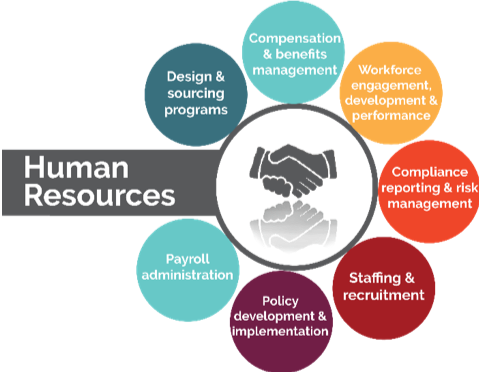
What is HR? What does HR mean? The acronym HR has endless possibilities. HR definitions can include Heart Rate, Human Respect, High Roller, House Rules and of course Human Resources. For Recruiters, HR represents the Human Resources of an organization. According to Wikipedia, the definition of Human Resources is: the people who make up the workforce of an organization, business sector, or economy. “Human capital” is sometimes used synonymously with “human resources”, although human capital typically refers to a narrower effect (i.e., the knowledge the individuals embody and economic growth). Likewise, other terms sometimes used include manpower, talent, labour, personnel, “associates” or simply people. A human resource person or a human-resources department (HR department) of an organization performs human resource management which includes overseeing various aspects of employment, such as compliance with labour law and employment standards, administration of employee benefits, organizing of employees files with the required documents for future reference as well as , some aspects of recruitment. The activities of the Human Resources team can be broken down into staffing, development, compensation, health and safety, and employee and labour relations. Some examples of this are: Determining the needs of staff and management Recruiting and training the best employees for an organization Hiring for permanent …

What Should You Do After a Job Interview?
Searching for a new job or career is often a full-time job in and of itself. Many people find looking for a job stressful and demanding. Getting the opportunity to interview with a company is great! However, knowing what to do after, is often unclear. Here are a few suggestions from the recruiters at Career Contacts for things you can do following a job interview: At the end of a job interview, ask what the next step in the interview process will be as you shake hands with the person who is interviewing you. Take the business card of the person that interviewed you for future communication. Following the job interview, think about how you did and how you could improve in the future. This is an opportunity to learn from how you can answer questions better, as well as figure out questions you may ask at a second interview. Think about the job, and the company as a whole, and decide if you want to work there. You are best to take a job you want, rather than just any job offered. Make notes during the job interview in a notebook. This will help you remember any important points. …

Tips to Be Your Best at Your Next Job Interview
Getting called for a job interview is just the beginning of you receiving a job offer. We want you to be at your best as we are living in a competitive world with many qualified candidates who also want your dream job. Be the best possible applicant for whatever your dream role is. Make sure your resume stands out and then show you are the best person for the job by communicating your education, experience and transferable skills in person. Demonstrate that you are the right person to be hired. Here are a few ways to rock the job interview so that they hire you. Show Interest in Being Hired The number one priority for any hiring manager is to hire someone who is genuinely interested and excited to work with their company. This can be started with a handshake and a great smile. Don’t underestimate the power of a handshake and a smile. People who are just looking for any job are not going to be a good long-term fit. To set yourself apart, you need to demonstrate that you are excited about the position and let them see you are eager to be hired. Hiring managers want to …
What is a Statutory Holiday?
Statutory holiday days are great for employees – a day off with pay. In British Columbia there are 10 statutory holiday days. “Stat days” are provincially or federally legislated and provide a day off with pay to staff. Statutory Holidays are as follows: New Year’s Day, January 1st Family Day, the third Monday in February Good Friday, the first Sunday after the first full moon in Spring Victoria Day, the last Monday in May before May 25th Canada Day, July 1st B.C. Day, the first Monday in August Labour Day, the first Monday in September Thanksgiving Day, the second Monday of October Remembrance Day, November 11th Christmas Day, December 25 *** Boxing Day, Easter Sunday and Easter Monday are not Statutory holidays. *** Please see a link to the Government of British Columbia for your reference and clarification. Some people find this confusing because companies such as crown corporations may choose to make these days holidays as well at the company’s expense. In order to qualify or be eligible for Statutory Holiday pay, an employee must have been both employed by a company for 30 days prior to the holiday, and also must have worked on 15 of the 30 …

Starting a New Job – Tips for your First Week at Work
Congratulations on starting a new job! With your job search ending, you can now file away those resumes and emails to recruiters and employment agencies. Beginning a new job is both exciting and stressful for everyone. Making a good impression, doing a great job, and being successful as you start the next step in your career is what we can speak about. Here are tips for the first few days starting a new job: Things To Do: Be an active listener and soak in the culture of your new work environment. Introduce yourself to co-workers to show that you are interested and don’t be shy. It might be easier to think of a one liner introduction to do this. Brand yourself with a positive and professional introduction. Ask questions as you learn. You aren’t expected to know everything right away so don’t be afraid to clarify things as you learn the new processes and procedures. Take notes so that you can refer back to the things you are learning and write down less urgent questions that can be discussed later. Make notes of people’s names that you are meeting to remind yourself later. Take the initiative to join a committee …
7 Steps to Land your Dream Job
When you know what your dream job is, but aren’t sure how to get it, we can help. The career you want is the one you have passion for and find enjoyment doing. It will provide you with work/life balance and you’ll enjoy work! This being said, the path to land your dream job doesn’t just happen. Having your ultimate career fall into place will only happen through time and effort with goals, planning and direction. Here are seven steps to land your dream job: 1. Make Sure It’s Really your Dream Job As you are starting your job search, take time to build a vision of the career you want. Like a vision board, think big! Know what you want – what gives you purpose, where you see value, want do you want to do? After deciding on your career, speak to people you know and respect in the field. Ask them about their jobs, what they enjoy about their job and their career path. Before doing these interviews, have a set of questions prepared and make notes to be able to refer to in the future. If possible, ask to shadow this person at work, or to volunteer …
3 Ways to Motivate Your Employees to Give Back and Volunteer
As organizations increasingly incorporate philanthropy into their corporate culture and values, the onus is placed on the employees to get involved and participate in giving back to and volunteering within their communities. In order to truly support the act of giving within your teams, your employees need to feel supported by their employers in their initiatives to contribute to their communities on behalf of your company’s culture of giving. Here are three ways to encourage and motivate your employees to give back through volunteering and community giving Give them the time to go out and do the work If you want your company brand to be one of giving, then any and all activities need to happen on company time. Employers may decide to have evening or weekend events to support the community and expect their employees to give up from their personal time in order to participate in building up both the community and the company brand. Instead, respect your employee’s right to maintain their work/life balance by allowing your teams to take a few hours each quarter to give back to the community. A few examples of volunteer initiatives include rounding up your various departments and organizing …
What is the meaning of Recruitment?
Interested in learning more about what we do as Recruitment Professionals? Recruitment is defined as the process of attracting, shortlisting, selecting and appointing suitable candidates for jobs (perm or temp) within an organization. Advertising vacancies. Hiring. Conducting job interviews. Performing background checks. Reviewing application documents and credentials. Screening. To a recruiter, Recruitment also involves showing a person why they should be interested in a job opportunity. This happens by staying on top of advertising job opportunities and building trusting relationships with employees. A person may not even be looking for a new job until recruiter tells them about a new job opportunity. The first step in recruitment involves analyzing the job to identify the knowledge, skills and characteristics required for the position. The second step is the process of attracting and screening candidates for the job. This involves internal and external advertising as well as using recruitment agencies and their networks and experience. What are the challenges of recruitment: Shortage of qualified employees Competition or other job opportunities when hiring staff for top candidates Salaries and benefits are increasing to keep top staff Increased time to recruit good staff Effective recruiting involves the following practices to assist companies …
Genuine Time Off
A prior article about genuine time off yielded some unexpected responses from leadership. Among the messages I received, I saw a number of HR leaders remarking about how time off is also taken advantage of. Whether they believed time off is abused or neglected, it was fair to point out and call attention to the inconsistencies in taking time off. According to statistics found by CareerBuilder, 40% of workers have called in sick in the last 12 months when they weren’t sick. These stats, in addition to the messages from HR professionals, got me thinking about the various time off policies that companies put in place, particularly as it relates to sick time. In response, I want to share some of my own recommendations and advice for HR leaders when it comes to sick time policies in the workplace. Here are 3 HR approved reasons for employees to call in sick: 1. If they’re too sick to come in This reason is the one that’s most often ignored by your people. Employees may think they’re scoring bonus points for toughing it out like a team player, but truthfully, not calling in sick only causes an inconvenience to their co-workers as they are not able to …

What to Do When You Don’t Get the Job
Your work isn’t over when you don’t get the job. Be sure to check these things off the list! As the interview process continues along if you find that you are not short listed or receive notification that the company is not hiring you, take the time to respond. As long as you are interviewing and considering opportunities you are furthering yourself.Some reasons you may not be able to control such as years of experience, companies may have already decided who they are hiring before you apply, the latest education etc Here is a list of suggestions for further consideration for future opportunities Always Respond – Take the time to send a quick email thanking for being considered. An email will allow you to ask to keep the door open to be considered for future job opportunities with this company or other positions that they may hear about. Ask for Feedback – If you’ve gotten through a few rounds of interviews, the interview team has probably gotten a chance to know you well—so there is no harm in asking for feedback at the end of your follow-up email. There is a chance that they won’t provide feedback—because it might be seen as …
References: Let them help you land your dream job!
I am always a little surprised when I conduct a bad reference since the candidate/employee is the one who is deciding who I get to talk – as a Recruiter, it’s definitely happened. Most companies take the reference portion of the interview process seriously and it’s your time as a candidate to have someone else make you shine. Having someone speak positively on your professional behalf doesn’t have to be a game of chance. Here is what I tell job seekers when they are preparing for the reference stage.C Contact Your References: Give them a heads up – call them! Anytime you hand over someone’s contact information, they should be aware that this has happened and be ready for a call. More than that, they should understand what company will be calling and what job they are calling about. If you can tell them a little bit about who is going to call them, even better! Get your stories straight. It doesn’t work out well when your reference has no idea what your title was and uses “Admin or something” (true story) when you’re applying for an Accounting & Finance role. Make sure your reference can speak to what you did …
